‘A whole is that which has a beginning, middle, and end.’ (Aristotle). Are all dramatic works ‘whole’?

Theo (Year 12 student) Editor's note: Theo researched, wrote and submitted this exceptional academic essay to the Gould Prize for Essays in English Literature, organised by Trinity College, Cambridge, during his time in Year 12 at GSAL. This essay was awarded Highly Commended and Theo was invited to visit Trinity College in person. Theo is … Continue reading ‘A whole is that which has a beginning, middle, and end.’ (Aristotle). Are all dramatic works ‘whole’?
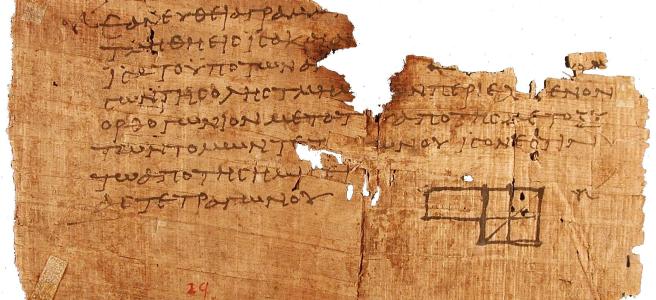
What have the rubbish dumps of Oxyrhynchus ever done for us?

Mei – Year 12 Student & Chief Editor, Humanities Journal Editor's Note: In a rich vein of form and with her passion for classical studies burning bright, Year 12 student Mei, founder and current Chief Editor of the school’s Humanities Journal, writes once again for us here. In this essay she explores Oxyrhynchus, a well-known 'rubbish dump' … Continue reading What have the rubbish dumps of Oxyrhynchus ever done for us?

Was Achilles’ rage a symptom of conscious injustice or of an infantile psychopathologic disorder?

Mei - Year 12 Student & Chief Editor, Humanities Journal Editor’s Note: Year 12 student Mei, founder and current Chief Editor of the school’s Humanities Journal, researched and composed this daunting yet enlightening extended essay on Achilles, the mythological Greek hero of the Trojan War and the central character of Homer's Illiad. Mei writes here in response … Continue reading Was Achilles’ rage a symptom of conscious injustice or of an infantile psychopathologic disorder?

Is The Odyssey still relevant to modern readers?

Amir Khan - GSAL Alumnus (2019 Leaver) Former student Amir Khan was an editorial member of Salutaris, the Sixth Form academic journal, during his time at GSAL. This essay on the classical work The Odyssey was originally published in Salutaris 2019, a project led by Mrs Gray, E-Learning Designer. Mr Dodd (TJG Staff Editor) The … Continue reading Is The Odyssey still relevant to modern readers?